
What Factors Should I Consider When Choosing a Local Photographer for Portrait, Product, and Real Estate Work?
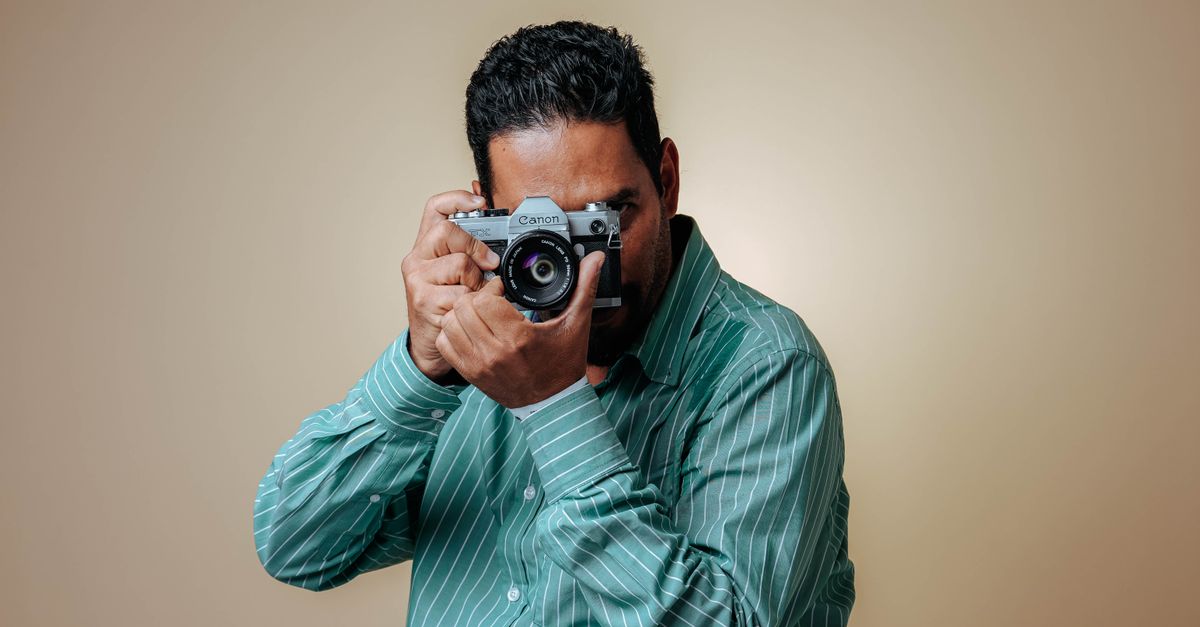
I’ve spent over a decade building brands, launching apps, and turning ideas into products. A recurring theme in that journey is the power of images: the right portrait can humanize a brand, a sharp product shot drives conversions, and compelling real‑estate photography moves listings faster. If you’re looking for a trusted local photographer to cover these three critical areas, here’s a practical roadmap grounded in my own experience.
1. Clarify Your Photography Objectives
Before I even start searching for photographers, I break down the project into distinct goals:
- Portrait photography: Who is the subject? What mood or brand personality should the images convey?
- Product photography: Which products need coverage? Are they high‑end items that require studio lighting, or everyday goods where lifestyle shots matter more?
- Real estate photography: Is this a residential listing, commercial space, or an architectural feature? What’s the target audience and price point?
This triad guides every subsequent decision and ensures the photographer understands the purpose of each image set. For instance, if your real‑estate client is targeting luxury buyers, you’ll want a style that emphasizes depth, texture, and ambiance—different from a quick commercial shoot aimed at mid‑market renters.
2. Verify Technical Mastery Across Genres
A competent photographer must adapt lighting, composition, and post‑production for different subjects. When I reviewed candidates, I asked them to demonstrate:
- Lighting setups: Studio key light vs. natural window light, product flash diffusion, or twilight exterior shots.
- Camera gear: Use of prime lenses for portraits, macro lenses for products, and wide‑angle lenses for real estate.
- Post‑production workflow: Ability to produce clean retouches for portraits, color‑accurate renders for products, and HDR stitching for multi‑shot real‑estate images.
I also requested a short reel that shows the photographer handling a quick transition from a portrait session to a product shoot in the same day. That gives insight into their workflow speed and consistency. In my experience, a photographer who can seamlessly switch between these styles delivers consistent quality across all three domains.
3. Scrutinize the Portfolio for Relevance and Style
A portfolio is the first proof of capability. I look for:
- Consistency: Does the photographer maintain a coherent aesthetic or can they tailor it to my brand’s voice?
- Diversity: Examples from each category—portraits, products, real‑estate—to confirm versatility.
- Technical excellence: Sharpness, exposure balance, and color fidelity across all shots.
I also review how the photographer handles different lighting conditions. A strong portfolio will show work taken in low light studio sessions, bright daylight product shoots, and shadow‑rich real‑estate interiors. When I chose a photographer for my own product line launch, reviewing their previous commercial catalog gave me confidence that they could deliver images that resonated with my target audience.
4. Assess Professionalism and Workflow Efficiency
A reliable photographer follows a structured workflow:
- Pre‑shoot briefing: Clear communication of objectives, timelines, and deliverables.
- On‑site management: Punctuality, organized equipment setup, and respectful interaction with clients or staff.
- Post‑production turnaround: Timely delivery of edited images in the agreed formats (JPEG, RAW, PSD).
In my experience, a photographer who respects deadlines often has an established system—cloud storage for drafts, batch editing presets, and project management tools—that streamlines production. I also check whether they carry liability insurance or backup plans for equipment failures; these small details can save a lot of headaches during a shoot.
5. Understand Pricing Structures and Value Alignment
Pricing can vary widely. I evaluate:
- Package options: All‑inclusive packages vs. à la carte services for each category.
- Hidden costs: Travel fees, additional retouches, or rush delivery surcharges.
- ROI justification: Does the cost align with the expected impact on sales or brand perception?
A transparent quote that breaks down labor hours, equipment usage, and post‑production time helps avoid surprises later. I also consider whether the photographer offers tiered licensing—basic web use versus premium print rights—which can be crucial if you plan to scale your marketing efforts.
6. Verify Reputation Through Reviews and References
Word of mouth remains a powerful indicator:
- Online reviews: Look for consistent praise on platforms like Google My Business or Yelp.
- Client testimonials: Direct statements about reliability, creativity, and communication.
- Case studies: Detailed accounts of how their photography contributed to a client’s success.
I always reach out for at least two references before finalizing. In my experience, satisfied clients often mention the photographer’s willingness to iterate based on feedback. Checking social media profiles can also reveal how actively they engage with followers and respond to comments—a sign of professionalism beyond the lens.
7. Evaluate Communication and Collaboration Processes
Clear communication reduces project friction:
- Initial contact: Prompt response time and professional tone.
- Project brief exchange: Use of shared documents or project management tools to capture requirements.
- Feedback loops: Structured review stages with defined milestones.
A photographer who encourages collaboration typically offers iterative drafts, allowing me to steer the final look without compromising quality. I also test whether they provide a dedicated point of contact throughout the project; this ensures continuity if the primary photographer is unavailable for any reason.
8. Confirm Equipment and Technology Adoption
The right gear can make or break an image set. I check for:
- Camera bodies: Full‑frame DSLRs or mirrorless systems that handle low light well.
- Lenses: Portrait prime lenses (e.g., 85mm f/1.4), macro lenses for product detail, and wide‑angle lenses for real estate.
- Lighting rigs: Softboxes, LED panels, or portable flash units that provide consistent illumination.
I also ask whether they use high dynamic range (HDR) techniques for real‑estate to capture both interior details and exterior lighting in a single image. In my experience, photographers who invest in high‑quality equipment tend to produce cleaner images with less post‑production effort.
9. Review Legal and Contractual Safeguards
A solid contract protects both parties:
- Usage rights: Clear delineation of image licensing—whether for web, print, or commercial campaigns.
- Exclusivity clauses: Any restrictions on selling the same images to competitors.
- Termination terms: Conditions under which either party can cancel the agreement without penalty.
I also look for indemnification language that protects me against claims arising from third‑party content or model releases. A well‑drafted contract prevents disputes over ownership or usage scope, a point I learned from early collaborations with freelance photographers.
10. Make an Informed Decision and Plan Next Steps
After gathering all information:
- Create a comparison matrix that scores each photographer on the criteria above.
- Schedule a final meeting or call to clarify any outstanding questions.
- Sign the contract, provide the brief, and set a realistic timeline for shoots and deliverables.
I also schedule a short test shoot—perhaps just one portrait or product shot—to gauge real‑time collaboration before committing to full projects. In my experience, a methodical approach saves time and ensures the final images align with business objectives.
The most critical takeaway: A photographer’s ability to adapt across portrait, product, and real‑estate photography hinges on technical versatility, clear communication, and proven results in each domain.Choosing the right local photographer is an investment that pays off through stronger brand visuals and increased conversion rates. By systematically evaluating expertise, portfolio quality, workflow efficiency, pricing transparency, reputation, collaboration style, equipment, legal safeguards, and final decision criteria, you’ll set a solid foundation for successful visual storytelling.
Which factor do you find most challenging when selecting a photographer—technical skill, communication, or pricing—and why?


