Studio Photography vs Architectural Photography: Fast Turnaround, Dynamic Ideas, and Elegant Results
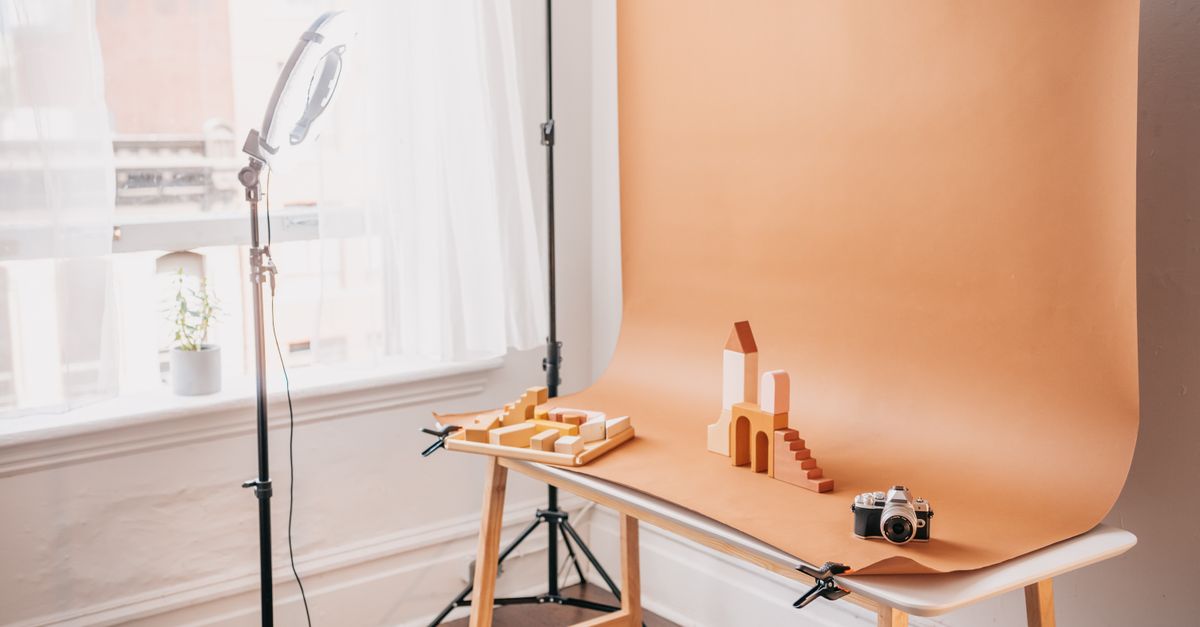
The choice between studio photography and architectural photography often boils down to speed, creativity, and the level of polish required. When a client needs images ready within days rather than weeks, or when a brand wants dynamic visuals that still feel refined, you have to weigh how each approach handles quick turnaround, flexible ideas, and elegant production.
1. Core Differences: Studio Meets Architecture
Studio photography is controlled: lighting rigs, backdrops, props—everything can be set up on demand. Architectural photography focuses on real spaces, natural light, and the structural narrative of buildings. The difference in environment dictates workflow, equipment, and creative choices.
Key Distinctions
- Control: Studio offers full environmental control; architectural relies on situational conditions.
- Mobility: Studios stay fixed; architects move to sites, often multiple locations.
- Equipment: Studio uses rigs, reflectors, and studio lights; architecture needs portable lenses, tripods, and sometimes drones.
- Lighting: Consistent studio light vs natural or mixed lighting in architectural shots.
- Post‑production: Studio images can be retouched with minimal context; architectural photos often require perspective correction and color balancing.
Understanding these distinctions helps set realistic expectations for both client briefs and internal project timelines. For example, a studio shoot can be scheduled in the middle of the week to avoid weekend rushes, while an architectural session might need early morning or late afternoon windows to capture optimal daylight angles.
2. Speed & Turnaround: Quick Photo Turnaround in Practice
Clients who need images within 48–72 hours often turn to studio photography because of its repeatable setup. Architectural shoots can still be fast if you plan ahead, but they’re more susceptible to delays from weather or site access.
Factors Affecting Turnaround Time
- Pre‑shoot planning: Studio setups can be queued; architecture requires scouting and permitting.
- Equipment readiness: Studio gear is always on hand; architectural equipment may need transport or rental.
- Lighting setup time: Studio rigs take minutes; architectural lighting adjustments can take hours.
- Post‑production workload: Studio images often need fewer edits; architectural photos demand perspective correction and color grading.
- Client approvals: Studio shoots allow rapid review due to consistent output; architectural changes in location or angle may require reshoots.
In practice, a well‑organized studio can deliver polished images within 24 hours, while an architectural shoot typically requires at least 48–72 hours unless the site is already pre‑scouted and all permissions secured.
Practical Planning Steps for Fast Turnaround:
- Book a dedicated “quick shoot” slot in your studio calendar to avoid last‑minute conflicts.
- Create a master shot list with exact camera settings, so the photographer can capture everything in one pass.
- Use pre‑configured lighting templates that match common client brands; this reduces setup time dramatically.
- For architecture, schedule a single site visit to gather all necessary data (angles, light sources) before the shoot day.
- Set up a streamlined post‑production pipeline—batch adjustments for exposure, white balance, and simple retouching—to keep the turnaround tight.
3. Dynamic Photo Ideas: Creativity on Demand
Both approaches can produce dynamic visuals, but the path to creativity differs. Studio photography thrives on custom setups—props, backdrops, lighting rigs—that let you experiment freely. Architectural photography relies on manipulating space and perspective to create movement within static structures.
Creative Techniques by Medium
- Studio: Multi‑light setups, reflective surfaces, motion blur with controlled speed.
- Architecture: Drone shots for aerial dynamics, time‑lapse of construction phases, interior light play.
- Hybrid: Using studio lighting on architectural interiors to simulate dramatic moods.
- Post‑processing: Adding texture overlays or color grading to both mediums for a cohesive look.
- Storytelling angles: Positioning subjects in architecture to convey narrative; using props in studio to tell brand stories.
Dynamic ideas are more about the story you want to tell than the medium itself. By blending techniques, you can elevate both studio and architectural images into compelling visual narratives.
Example Dynamic Concepts:
- A luxury car showroom shot in a studio with moving light panels that mimic road glare.
- An interior office space captured from a low angle to emphasize height and openness, then layered with subtle motion blur of passing employees for life‑like energy.
- Using a translucent backdrop in the studio to simulate an architectural façade, allowing seamless integration of branding elements.
Step‑by‑Step Idea Development:
- Start with a clear objective—what emotion or message should the image convey?
- Create a quick storyboard sketching out key shots and angles; this helps identify where studio props or architectural elements can enhance the narrative.
- Allocate time for experimentation during the shoot, especially when blending studio lighting in an architectural space.
- After capture, review all images against the storyboard to ensure each one advances the story.
4. Elegant Photography Solutions: Achieving Sophistication
Elegance is achieved through lighting precision, composition discipline, and post‑production polish. Studio photography naturally lends itself to elegant results with controlled light and minimal distractions. Architectural photography can also be refined by focusing on clean lines, symmetry, and thoughtful framing.
Elements of Elegant Production
- Lighting control: Softboxes in studio vs natural skylight in architecture.
- Color consistency: White balance presets for studio; color temperature adjustments for architectural interiors.
- Composition rules: Rule of thirds, leading lines, and negative space apply to both.
- Post‑editing workflow: Raw capture, selective sharpening, subtle contrast enhancement.
- Brand alignment: Matching image style with brand guidelines for cohesive marketing assets.
Practical Tips to Maintain Elegance:
- Keep lighting consistent across shots by using color‑matched light sources; this avoids unwanted color casts.
- Use grid overlays during shooting to ensure straight lines and proportional scales, especially in architectural work.
- Apply a minimalistic retouch approach—only correct exposure, sharpen edges, and adjust clarity where needed—to preserve authenticity.
- When blending studio and architectural shots in the same campaign, maintain a consistent color grading profile so images feel part of one story.
For studio sessions, consider using a single light source with a diffuser to create a soft yet dramatic look that translates well into digital marketing. In architecture, a polarizing filter can help reduce glare on glass façades while preserving natural depth.
5. Practical Decision Matrix: Choosing the Right Approach
When faced with a project brief, use this matrix to decide between studio and architectural photography based on key criteria.
Decision Factors
- Time constraints: Studio for < 48 hrs; Architecture if 72+ hrs are acceptable.
- Location control: Controlled environment → studio; on‑site narrative → architecture.
- Client brand tone: High polish and repeatable branding → studio; aspirational, place‑based storytelling → architecture.
- Budget flexibility: Studio can be cost‑effective for bulk shoots; architecture may incur travel or permit fees.
- Creative direction: Custom concepts with props → studio; dynamic use of space and perspective → architecture.
By mapping each requirement to these factors, you can justify the choice and set clear expectations with stakeholders. A quick “yes/no” checklist—time, place, budget, brand mood—often suffices for initial decision‑making before diving into detailed planning.
6. Common Mistakes & Pitfalls
Both mediums have pitfalls that can derail a project if overlooked.
Typical Errors
- Under‑preparing: Skipping site visits for architecture leads to lighting surprises.
- Over‑editing studio shots: Excessive retouching erodes authenticity.
- Ignoring color temperature: Mixing lights in studio or architecture can produce unnatural hues.
- Neglecting file management: Poor naming conventions cause confusion during post‑production.
- Misaligned client expectations: Failing to communicate turnaround timelines and creative scope.
A clear pre‑shoot checklist and open communication can mitigate these risks. For instance, sending a “pre‑shoot pack” that includes the shot list, lighting plan, and timeline helps keep everyone aligned.
7. Cost Considerations
Budgeting accurately requires understanding the hidden costs of each approach. Studio photography often has lower variable costs but higher fixed overhead if you own equipment. Architectural shoots add travel, permits, and sometimes drone licensing fees.
Cost Breakdown by Medium
- Studio: Equipment rental or ownership, studio space lease, lighting kits.
- Architecture: Travel expenses, location permits, drone operator fees.
- Post‑production: Studio may use simpler workflows; architecture often needs more time for perspective correction.
- Talent: Both can require models or actors; architectural shoots sometimes need security or building access coordination.
When pricing a project, factor in these line items and present a transparent cost sheet to the client. Transparency builds trust and reduces scope creep.
8. Personal Experience & Takeaway
In my experience, I once shot a luxury real‑estate portfolio that demanded both studio elegance for interior shots and architectural flair for exteriors. By scheduling the interior shoot on a weekday with controlled lighting and reserving weekends for site visits, we achieved a 48‑hour turnaround without compromising quality.
My key lesson: treat each medium as a tool in your creative arsenal rather than an obstacle. When you align the right approach to the project’s constraints—time, budget, narrative—you consistently deliver results that satisfy both clients and stakeholders.
What challenges have you faced when balancing studio control with architectural spontaneity, and how did you resolve them?