How to Pick the Right Photographer for Events, Families, and Community Projects in 2026
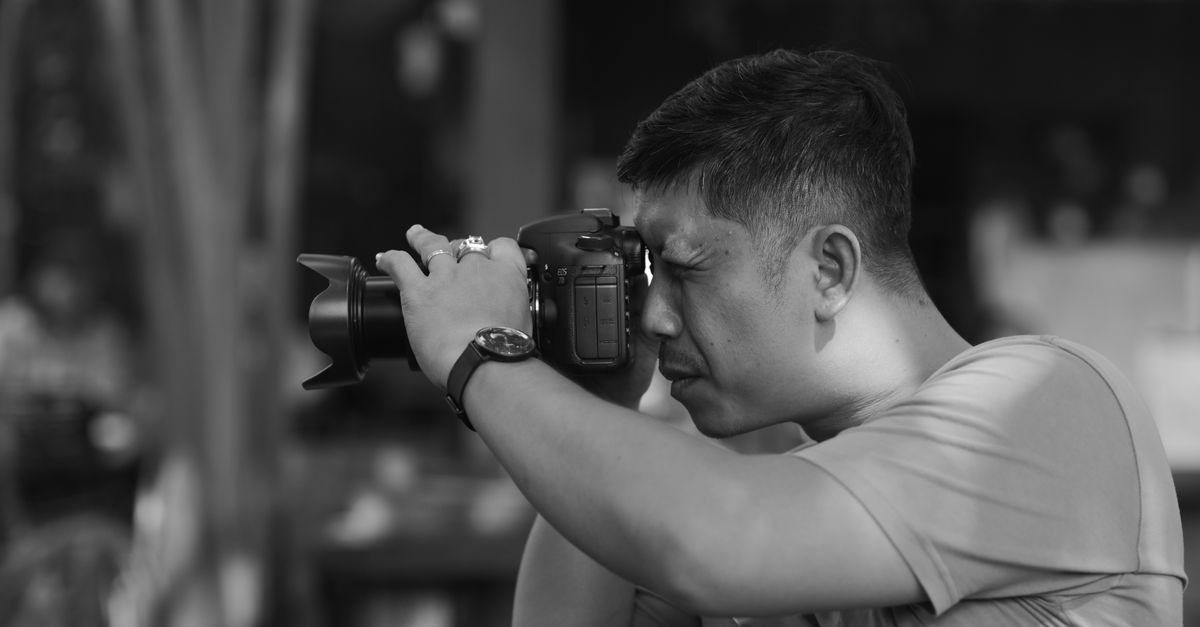
When seeking expert photo guidance—whether for events, families, lifestyle, or community projects—the first step is to align your goals with a photographer’s strengths. This guide covers key criteria, costs, tech considerations, and pitfalls so you can decide intelligently.
Choosing the Right Photographer for Your Project
Photographers specialize across several niches. A studio that excels at event albums may lack the spontaneity needed for lifestyle shoots. Match your project type to a photographer’s core service:
- Scope of work: one‑day wedding, multi‑week festival, or family portrait session.
- Aesthetic: high‑concept editorial, candid moments, or polished studio portraits.
- Budget & payment structure: flat fee, hourly rate, or per‑image pricing.
- Availability: calendar alignment with key dates.
- Experience: similar client demographics—families, community groups, corporate clients.
In my experience, I’ve seen families who chose a lifestyle photographer for an event album end up disappointed because the shoot felt staged.
A simple matrix helps: list each criterion and rate potential photographers. The highest cumulative score usually indicates the best fit, turning subjective preferences into objective data.
Evaluating Portfolio Quality and Style Alignment
Your first visual impression comes from the portfolio. Look beyond polished images; assess variety, lighting consistency, and narrative flow. A strong portfolio shows:
- Subject range: people of different ages, ethnicities, settings.
- Lighting mastery: natural light, studio setups, low‑light resilience.
- Composition variety: creative framing, depth control, dynamic angles.
- Edit style: subtle vs. stylized; match your brand voice.
Portfolio Red Flags to Watch For
- Repetitive composition with little variation.
- Lack of context or narrative in event shots.
- Poor exposure or white balance in family portraits.
- Over‑retouched images that look artificial.
The single most decisive factor is whether the style resonates with your brand or personal taste.
A practical tip: ask for a short reel of recent work (30–60 seconds). It shows pacing, color grading, and subject transitions at a glance.
Cost Structures and What You Pay For
Pricing varies by service type, location, and reputation. Typical models include hourly rates, flat fees for event albums, or per‑image charges for family sessions.
Typical Pricing Ranges (USD)
- Event album: $1,200–$3,000
- Family portrait: $300–$800
- Lifestyle shoot: $400–$1,200
- Community documentary series: $2,500–$6,000
Ask for a detailed invoice listing all deliverables—raw files, edited images, prints, digital copies. Clarify whether travel, overtime, or extra retouching incur additional fees.
Typical Deposit and Payment Schedules
- Deposit: 25–50% upon contract signing.
- Balance: within 30 days of final delivery or on event day if paid in cash.
- Late fee: often 1.5% per week; confirm the clause in your contract.
Consider post‑production services—some charge a retouching fee per image, while others include it in the flat rate. Knowing this upfront prevents surprise line items.
Technical Considerations: Gear, Lighting, Post‑Processing
A professional’s equipment and workflow directly affect image quality. Verify that the photographer uses:
Essential Technical Standards
- DSLR or mirrorless camera with full‑frame sensor for low light.
- Prime lenses (35mm, 50mm) and a fast zoom (24–70mm f/2.8) for versatility.
- External flash or studio rigs that support wireless triggers and high CRI LEDs.
- Non‑linear editing software (Lightroom/Photoshop); RAW files for maximum flexibility.
- Backup storage: external SSD + cloud sync in at least two locations.
When I booked a community shoot, the photographer’s use of an on‑location LED panel made the difference between flat and dynamic images.
Workflow Snapshot
- Import: transfer RAW files to a dedicated folder immediately after shooting; label by date and event name.
- Culling: review each image for exposure, focus, composition; flag the best shots.
- Editing: adjust white balance, exposure, contrast; apply subtle color grading.
- Proofing: provide a gallery of edited images for client approval before final delivery.
- Delivery: send high‑resolution JPEGs and RAW files via secure cloud link; include prints or USB drives if requested.
Communication & Workflow: Contracts, Deliverables, Revisions
A clear contract protects both parties. Key clauses include:
Contract Essentials
- Scope of work and timeline.
- Payment schedule tied to milestones.
- Number of revisions and turnaround times.
- Copyright ownership and usage rights.
- Cancellation policy and force majeure terms.
During the shoot, keep an open line. Provide a shot list for event albums and reference images for lifestyle sessions to align expectations and reduce last‑minute changes.
Revision Process
- Limit to 2–3 rounds of edits to stay on schedule.
- Ask the photographer to provide a “before” vs. “after” comparison for each requested change—this clarifies the extent of retouching.
- If you’re unsatisfied, request an alternative shot from the same session instead of a full redo.
Common Mistakes to Avoid When Hiring a Photographer
Even seasoned clients fall into traps that inflate costs or lower quality:
Top 5 Pitfalls
- Choosing the cheapest option without verifying credentials: low rates often signal limited experience, outdated gear, or rushed post‑production.
- Assuming all‑in‑one packages cover every need: verify prints, albums, and digital rights; many offers exclude high‑resolution files.
- Neglecting post‑production timelines: some promise 2–3 weeks but deliver only after holidays.
- Overlooking backup plans for bad weather or equipment failure: ask if they have spare gear and a contingency schedule.
- Failing to read client reviews from similar event types: a great wedding photographer may not excel at community documentaries.
I once signed up for an all‑in‑one community service that didn’t include prints, and we had to pay extra later.
Building Long-Term Relationships with Community Photography Services
If your organization requires recurring shoots—annual festivals, volunteer spotlights, or local business features—a partnership delivers consistency and cost savings. Negotiate:
Partnership Benefits
- Retainer fees for priority scheduling.
- Volume discounts on prints and digital archives; ask for tiered pricing based on the number of images per year.
- Dedicated account manager for seamless communication.
- Custom branding templates for newsletters; many photographers offer pre‑designed layouts with your logo and color palette.
Maintain regular check‑ins. A quarterly review can uncover new opportunities—such as a photo wall or an annual recap video—and prevent misalignment.
Interviewing and Vetting Photographers
A structured interview saves time and clarifies expectations before any money is exchanged. Prepare the following:
- Project brief: event type, duration, key moments, desired deliverables.
- Sample questions:
- Can you share a recent project similar in scale or style?
- What is your typical workflow from shoot to delivery?
- How do you handle equipment failures or inclement weather?
- Do you provide model releases and location permits when needed?
- Portfolio review: ask the photographer to walk through a recent project, explaining creative choices.
- Contract draft: request a copy of your standard contract; spot potential issues early.
- References: speak with at least two previous clients who had similar needs.
Observe responsiveness and organization. Quick replies and clear documentation are good signs the project will stay on track.
Post‑Shoot Workflow and Deliverable Management
The moment a photo is taken is just the beginning of the creative process. Here’s an expanded view:
- Import & Backup: transfer all files to a primary drive, then copy to a secondary external SSD and cloud storage (e.g., Google Drive or Dropbox).
- Culling: use a consistent naming convention (EventName_Date_Sequence) for easy retrieval.
- Editing & Proofing: apply a standard preset that aligns with your brand; hand off a proof gallery via shared link.
- Revisions: limit changes to the most critical images; provide clear feedback using comment tools.
- Final Delivery: offer multiple formats—JPEG for web/social, TIFF or RAW for archival—and deliver through a secure portal or physical media if requested.
- Archiving: store all final files in a structured archive with metadata tags; this ensures future accessibility and protects the investment.
A documented workflow reduces misunderstandings and guarantees that you receive every promised asset on time.
Legal and Licensing Considerations
When hiring a photographer, clarify ownership. Typical points include:
- Copyright ownership: most photographers retain copyright unless explicitly transferred.
- Usage rights: specify whether images can be used for commercial purposes, social media, print publications, or restricted to internal use only.
- Model releases: for community projects featuring identifiable individuals, obtain signed releases; this protects both parties from future disputes.
- Location permits: if shooting in public spaces that require permits, confirm the photographer has obtained them or is willing to do so.
Clear licensing terms prevent costly legal headaches. Always have a written agreement that lists each image’s intended use and any redistribution limits.
Conclusion
Selecting a photographer is an investment in visual storytelling. By evaluating expertise, portfolio relevance, cost transparency, technical capability, communication protocols, and legal safeguards, you can avoid common missteps and secure high‑quality images that serve your event, family, lifestyle, or community narrative.
Treat the process as a partnership: both parties should feel heard, respected, and aligned on goals. With clarity and due diligence, the final photographs will meet expectations—and become lasting assets for your organization or personal memories.
What criteria have you found most critical when selecting a photographer for a large community event?