
How to Evaluate Photography Services for Headshots, Stylized Work, and Real Estate in 2026?
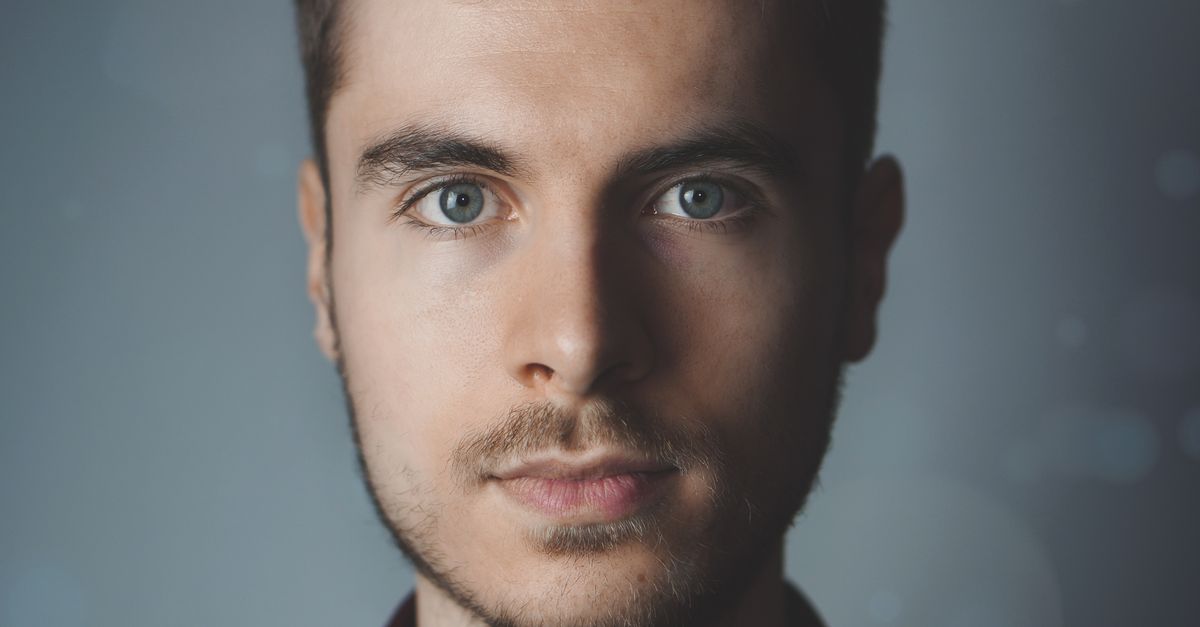
I’m a serial entrepreneur who’s launched dozens of ventures since my early twenties. Every brand I build needs a visual identity that speaks louder than words—whether it’s a polished headshot, a dynamic stylized shoot, or a real estate portfolio that sells itself. The challenge? Picking the right photographer in 2026 when so many claim to deliver “engaging visual content” and “all‑in‑one photo shoot packages.” This interview style guide cuts through the noise and gives you concrete criteria.
1. Understand Your Core Objectives
Before I even start searching for a photographer, I ask myself: What story am I telling? Is this a professional headshot that needs to exude authority? Or a real estate shoot that must highlight space and light? Maybe I’m looking for stylized shots that break the mold and create viral moments. Each objective demands different skills.
Key Questions to Ask
- Do I need a traditional headshot or something more narrative?
- What is the primary platform—LinkedIn, Instagram, website?
- Is the shoot for personal branding, commercial real estate, or creative marketing?
- How will I use the images after delivery (print, digital, social media)?
- Do I require a package that includes retouching and post‑production?
The answers steer me toward photographers who specialize in headshot photography, stylized photography, or real estate photography.
2. Core Photography Skills to Evaluate
Technical mastery is non-negotiable. I look for proficiency with lighting rigs, camera sensors, and post‑processing pipelines that match the genre. For headshots, sharp focus on skin tones matters; for stylized shots, creative composition and color grading; for real estate, accurate white balance to reflect true space.
Skill Checklist
- Mastery of natural vs artificial lighting setups
- Experience with portrait lenses (85mm–135mm) for headshots
- Proficiency in HDR and panoramic stitching for real estate
- Creative use of color grading software for stylized work
- Knowledge of file formats (RAW, TIFF) and delivery standards
In my experience, a photographer who can seamlessly switch between these techniques delivers the most value.
3. Equipment & Technical Proficiency
I’ve spent years tinkering with gear, so I know that the right camera body and lenses are foundational. In 2026, mirrorless systems dominate, but DSLR still have their place for certain workflows. The equipment should support high-resolution output (at least 24MP), dynamic range, and fast autofocus.
Essential Gear for Each Genre
- Headshots: Full-frame camera, prime lens 85mm–135mm, softbox or ring light kit
- Stylized: Versatile lenses (24‑70mm), macro for detail work, color grading monitor
- Real Estate: High-resolution sensor, wide-angle lens (14‑24mm), tripod with leveler, HDR workflow setup
When a photographer explains their gear list in detail, it signals transparency and confidence.
Beyond the visible kit, I assess how they manage lighting meters, metering modes, and camera calibration. A seasoned pro will use a handheld light meter to ensure consistent exposure across varied environments—critical when shooting both studio portraits and on‑location real estate.
4. Style & Creativity: Headshots, Stylized, Real Estate
The visual language differs across genres. I review portfolios for consistency with my brand vision. A headshot must feel authentic yet polished; stylized photography should push boundaries while remaining coherent; real estate images need to convey space and lifestyle.
Portfolio Red Flags
- Over‑retouched skin that looks plastic in a headshot portfolio
- Lack of narrative or theme in stylized work
- Poor depth of field or lighting in real estate shots
- Inconsistent color profiles across images
- No evidence of creative post‑production for stylized projects
I always cross‑reference the photographer’s style with my brand guidelines before moving forward.
For headshots, I look for a subtle natural rim light that flatters the face while maintaining skin texture. For stylized shoots, I assess how they use color palettes to tell a story and whether those colors align with my brand identity. In real estate work, I check that wide‑angle shots preserve perspective distortion without compromising depth of field.
5. Packages & Pricing Transparency
“Photo shoot packages” can be vague. I demand a clear breakdown: hours of shooting, number of final images, retouching scope, and delivery timelines. Hidden fees erode trust.
What to Look For in a Package
- Defined session length (e.g., 2‑hour headshot block)
- Number of delivered high-resolution files (e.g., 15 headshots)
- Retouching policy—basic vs advanced
- Turnaround time for first proofs and final edits
- License terms for commercial use
- Optional add‑ons like additional retouches or rush delivery
In my experience, photographers who provide a detailed quote with no surprises build long‑term trust.
6. Workflow & Deliverables
A streamlined workflow ensures I get images when I need them. I compare turnaround times and file formats: RAW for future edits, JPEG or PNG for instant use. Some photographers offer cloud storage or a client portal—features that add value.
Workflow Essentials
- Initial proof delivery within 48–72 hours
- Final images in both editable (RAW) and ready‑to‑publish (JPEG/PNG) formats
- Secure cloud storage with easy sharing links
- Optional: a brief video recap of the shoot for social media teasers
- Clear versioning system to track edits
If a photographer can’t meet these standards, I’ll pass.
I also check that they embed metadata—camera settings, location tags—and use consistent naming conventions. This practice saves time when I need to re‑edit or repurpose images later. A robust workflow often includes encrypted transfer methods like HTTPS uploads, ensuring data security for client confidentiality.
7. Client Experience & Communication
I value clear communication and responsiveness. A photographer who listens to my brief and offers constructive suggestions demonstrates professionalism. I test this by sending a short brief and noting the response time.
Communication Checklist
- Prompt reply within 24 hours for initial inquiries
- Clear articulation of creative vision in proposal
- Regular updates during the shoot (if applicable)
- Post‑shoot debrief with feedback options
- Open line for revisions and reshoots if needed
In my experience, a photographer who keeps me informed reduces stress and aligns expectations.
8. Common Mistakes & Red Flags
Even seasoned entrepreneurs can fall into pitfalls when hiring photographers:
- Choosing the cheapest option without reviewing portfolio quality
- Ignoring contract terms on image licensing
- Assuming “all‑in‑one packages” mean high quality across all genres
- Overlooking the importance of lighting and composition in real estate work
- Failing to test the photographer’s post‑production speed and quality
A mindful approach prevents costly revisions later.
I also watch for how they handle data security—especially under GDPR or similar regulations when client photos include personal identifiers. A reputable photographer will confirm secure transfer methods, such as encrypted SFTP, to protect sensitive images before delivery.
9. How to Review Portfolios Effectively
I analyze portfolios by category: headshots, stylized shots, real estate. I compare image counts, diversity of settings, lighting techniques, and post‑production style. I also look for consistency in color grading—do the images maintain a cohesive aesthetic?
Portfolio Review Steps
- Select 10–15 recent works per genre
- Check for variety in poses (headshots) or scenes (real estate)
- Assess lighting quality and balance
- Evaluate retouching level—are images natural?
- Verify the photographer’s ability to adapt to different client briefs
If a portfolio meets these criteria, I move to a consultation.
To keep objective comparison, I use a spreadsheet where each image receives a score on key attributes. The aggregate score per genre gives me an overall sense of consistency and quality across the photographer’s body of work.
10. Making the Final Decision
After vetting skills, gear, packages, workflow, and communication, I weigh each factor against my budget and timeline. I often create a simple scoring sheet—1–5 for each criterion—and pick the photographer with the highest total score.
Decision Matrix Example
- Technical Skill: 5
- Portfolio Quality: 4
- Package Transparency: 5
- Workflow Speed: 4
- Communication: 5
- Total Score: 23/30
In my experience, this method removes emotional bias and focuses on tangible value.
Key Takeaway: A photographer’s value is measured by clear communication, transparent packages, proven technical skill across headshots, stylized work, and real estate photography, and a workflow that delivers high‑quality images on time.In my experience, the first dozen photos from a new photographer often set the tone for the entire partnership. If they fail to meet expectations early on, it’s hard to recover.
What are the most critical factors you consider when hiring a photographer for your brand, and how do you evaluate them?


