How Do I Choose a Photographer for Headshots, Events, and Pets?
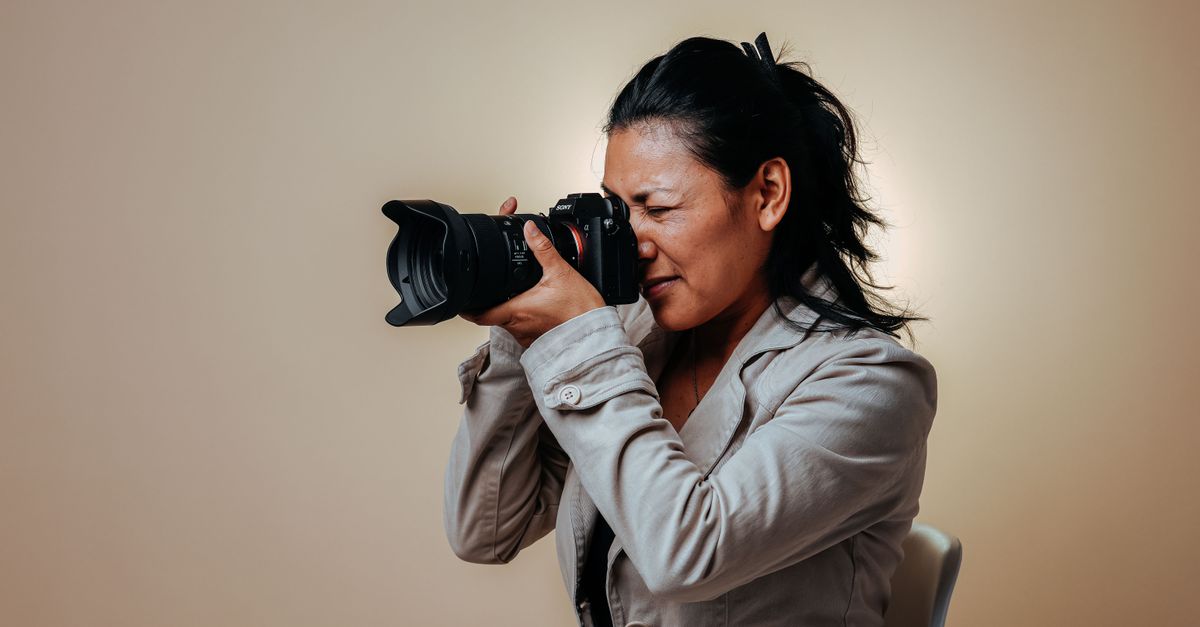
I’ve spent years building brands and systems that rely on clear visual communication. When it comes to headshot photography, special occasion photography, pet photography, or any on‑location shoot, I treat the photographer like a core component of my marketing stack—critical, but not overhyped.
In this article I’ll break down what makes quality photography solutions reliable and how you can assess a professional’s fit for each type of project. The goal is to give you a concrete framework that moves beyond buzzwords into practical decision‑making.
Understanding Your Photography Needs
Every photo session has a purpose: brand building, event documentation, or simply capturing a moment with your pet. Identifying the primary objective shapes everything from equipment selection to photographer style.
Typical use cases:
- Headshots – LinkedIn profiles, executive bios, marketing collateral.
- Special occasions – weddings, corporate galas, anniversaries.
- Pet photography – portraits for social media or gifting.
- On‑location shoots – real estate, product placements, outdoor events.
Once you map your goal to the category, you can zero in on what technical and creative criteria matter most.
Headshot Photography: What Makes It Stand Out?
Headshots are a visual handshake; they convey professionalism, personality, and brand alignment. A good headshot photographer will ask the right questions about your industry tone before even setting up the light.
The core elements:
- Lighting – natural or controlled to flatter skin tones.
- Background – neutral, branded, or contextual as needed.
- Pose & Expression – confident yet approachable.
- Post‑production – subtle retouching that preserves authenticity.
- Deliverables – high‑resolution files in multiple formats (JPEG, PNG).
Headshot Quality Checklist
- Clear, well‑lit face with no harsh shadows.
- Consistent background that doesn’t distract.
- Professional posing guide provided.
- Fast turnaround on edited images (≤ 48 hrs).
- Flexible licensing for web, print, and social media.
In my experience, the photographer who can deliver a polished headshot in under three days without sacrificing quality is rare. That speed translates to faster marketing roll‑outs.
It’s also worth verifying that the photographer offers a variety of file outputs—including cropped versions for avatars and full‑size images for corporate directories—so you’re not locked into a single format later on.
Special Occasion Photography: Capturing Moments That Matter
Events are dynamic; they require anticipation, adaptability, and storytelling ability. The right photographer will map the event timeline and anticipate key moments before they happen.
A good special occasion photographer balances technical skill with a creative eye:
- Timing – capturing candid smiles between speeches.
- Equipment – dual lenses for wide shots and tight portraits.
- Lighting adaptability – handling low‑light venues without flash glare.
- Post‑production workflow – quick editing pipeline to deliver a highlight reel.
- Client communication – clear briefing and photo selection process.
Special Occasion Photography Checklist
- Pre‑event meeting to review agenda and key moments.
- Multiple backup cameras and lenses on set.
- On‑site lighting kit for dim spaces.
- Proofs delivered within 72 hrs of the event.
- Option for a physical album or digital gallery.
I’ve seen vendors who rush through events, missing critical memories. The photographer who gives you a polished highlight reel and a few raw files to repurpose is invaluable.
Additionally, ask whether they can provide instant on‑the‑spot prints for guests—a small touch that elevates the experience and leaves a lasting impression.
Pet Photography: Turning Furry Friends into Art
Pets move fast and have personalities that can either cooperate or rebel. A pet photographer must blend patience with quick reflexes, turning chaotic moments into compelling images.
Key challenges:
- Movement control – using treats, toys, or a calm voice.
- Lighting sensitivity – avoiding harsh reflections on fur.
- Safety – ensuring the pet’s comfort and well‑being.
- Post‑production – adjusting contrast to highlight texture without over‑editing.
- Delivery formats – ready for prints, social media, or gifts.
Pet Photography Tips List
- Schedule shoots when the pet is naturally alert.
- Use a wide aperture to blur background distractions.
- Have a helper hold treats or distract with toys.
- Shoot in bursts to capture the perfect expression.
- Provide a quick turnaround (≤ 5 days) for prints.
When I booked pet photography for my own dogs, I chose a photographer who offered a “take‑home” session, letting me bring them in at their own pace. That approach reduced stress and produced better shots.
For larger projects—like commercial pet portraits—confirm that the photographer can work within a set of brand guidelines while still capturing each animal’s unique character.
On‑Location Photography: Shooting Outside the Studio
On‑location shoots bring authenticity but also logistical complexity. The photographer must manage lighting, permits, and equipment transport while maintaining image quality.
Essential considerations:
- Site scouting – visiting before the shoot to assess light and backdrop options.
- Equipment portability – lightweight lenses, portable lights.
- Weather preparedness – backup gear for rain or sudden sunlight changes.
- Permits & permissions – securing necessary approvals in advance.
- Workflow continuity – ensuring data transfer and backup on site.
On‑Location Setup Checklist
- Pre‑shoot walk‑through with key stakeholders.
- Portable reflector kit for natural fill light.
- Weather‑proof bag for camera gear.
- Backup memory cards and power sources.
- Clear timeline of shots to capture.
In my experience, a photographer who brings their own lighting rig and can set up in under an hour saves both time and money on location shoots.
It’s also wise to confirm they have access to reliable power outlets or carry spare batteries; unexpected outages are a common source of lost shots.
Quality Photography Solutions: How to Evaluate a Photographer
A reliable photographer is more than just skillful; they provide a repeatable process that aligns with your brand’s standards. Here are the evaluation pillars:
- Portfolio depth – consistency across styles.
- Client testimonials – verified references and case studies.
- Technical proficiency – equipment, software, backup strategies.
- Communication clarity – responsiveness and transparency.
- Pricing structure – transparent rates with no hidden fees.
Quality Evaluation Questions
- Can you show me a recent headshot project that aligns with my industry?
- What is your turnaround time for edited images?
- Do you offer a contract that outlines deliverables and revisions?
- How do you handle unexpected changes during an event?
- Is there an additional cost for travel or equipment rental?
When I vetted a new photographer for a product launch, the one who provided a detailed proposal with clear milestones won my trust. That level of transparency is a hallmark of quality solutions.
Also ask about their post‑production pipeline: do they use RAW files, what editing software, and how many rounds of revisions are included? These details often distinguish a seasoned professional from an amateur.
Common Mistakes and How to Avoid Them
- Overpaying without justification – expensive rates don’t always equal better results.
- Neglecting the brief – vague instructions lead to misaligned images.
- Ignoring backup plans – data loss can ruin a shoot.
- Focusing only on aesthetics – forgetting brand consistency.
- Skipping post‑production review – missing subtle errors that affect quality.
A balanced approach—cost, clarity of brief, and technical reliability—is the safest path to high‑quality photography solutions.
Next Steps: Putting It All Together
1. Draft a concise brief outlining purpose, style, deliverables, and deadline.
2. Shortlist photographers based on portfolio fit and evaluation questions.
3. Schedule a quick call or meeting to discuss logistics and expectations.
4. Request a small test shoot if needed (e.g., a single headshot) before committing to a larger project.
5. Finalize the contract, confirm pricing, and set a clear timeline.
By following this workflow you’ll reduce risk, control costs, and secure images that truly elevate your brand or event.
Consider creating a shared document where both parties can track progress—this keeps everyone accountable and ensures nothing slips through the cracks.
The key takeaway: A great photographer is one who can translate your vision into tangible results with speed, clarity, and reliability—no matter the subject. Their ability to anticipate needs, adapt on the fly, and deliver polished images consistently makes them an indispensable partner in any visual strategy. What specific criteria do you prioritize when selecting a photographer for a high‑profile corporate event?