
How do I choose a local photographer who delivers high‑resolution images and professional retouching?
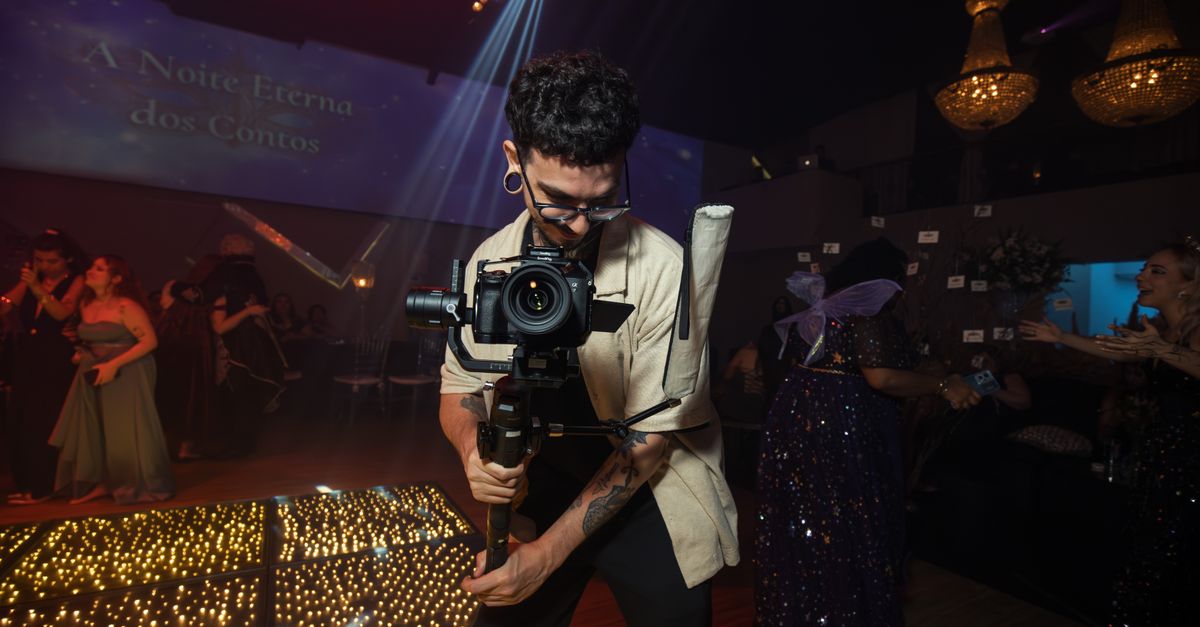
I’ve spent the last decade building businesses from the ground up, but one thing that always mattered was quality photography. Whether I was shooting product shots for an e‑commerce site or capturing family moments, the difference between a good photo and a great one came down to three factors: local expertise, professional retouching skills, and a clear understanding of my needs. If you’re looking for a photographer who can deliver high‑resolution images with top‑notch retouching, this FAQ will walk you through every step.
1. Clarify Your Photography Goals
Before I ever call a photographer, I sit down and ask myself what the end goal is. Is it for marketing collateral, personal events, or something else entirely? The purpose shapes everything else: the style, lighting, retouching depth, and even the budget.
Purpose of the Shoot
Different projects demand different approaches. A wedding needs candid emotion; a product shoot demands flawless detail; a corporate headshot requires a polished look. Knowing this upfront prevents scope creep later.
Budget Constraints
I set a budget early on, but I also factor in the photographer’s hourly rate, travel costs, and post‑production fees. A higher price often reflects more experience, better gear, or specialized retouching expertise.
Desired Style & Tone
Do you want a natural look or something stylized? The style influences everything from lighting choices to the amount of editing required. Clarify this with any potential photographer to ensure alignment.
Key Questions to Ask Early On
- What is your typical turnaround time for high‑resolution images?
- Can you provide examples of both raw and edited work?
- Do you offer retouching services, or do I need to outsource that?
- How do you handle revisions if the final images don’t meet my expectations?
These questions cut through the fluff and get straight to what matters for quality photography solutions.
2. Evaluate Local Photographers Thoroughly
Finding a local photographer is about more than just checking a directory. It’s about verifying that they can deliver on technical, creative, and logistical fronts.
Portfolio Review
I always start with the portfolio. Look for consistency in lighting, composition, and post‑production polish. A strong portfolio shows versatility across different subjects—commercial, portrait, event—and demonstrates how the photographer handles high‑resolution images.
Client Testimonials & Reputation
Ask for references or read online reviews. Pay attention to comments about communication, reliability, and the final product’s quality. A professional photographer with a solid reputation will have repeat clients and glowing feedback on platforms like Google and Yelp.
Technical Gear & Workflow
High‑resolution images require not just a good camera but also proper lenses, lighting equipment, and a post‑production setup. I look for photographers who use at least a full‑frame DSLR or mirrorless body, prime lenses for sharpness, and calibrated monitors to ensure color accuracy.
Five Criteria to Assess Before Hiring
- Camera and lens specifications (resolution, sensor size)
- Post‑production software (Adobe Lightroom, Photoshop, Capture One)
- Experience with RAW file processing for maximum detail
- Availability of retouching services or partnership with a trusted studio
- Clear communication channels and prompt responses to inquiries
These criteria help me filter out those who might promise but can’t deliver the quality I need.
3. Understand Photo Retouching Expertise
Even the best shoot can fall short if the retouching process is sloppy. Professional photo retouching turns a good image into a polished masterpiece.
Types of Retouching You’ll Need
Retouching ranges from basic color correction to advanced skin smoothing, background cleanup, and compositional adjustments. For commercial work, you often need precision editing—removing blemishes without losing texture.
Workflow & Standards
I look for a workflow that starts with RAW conversion, followed by color grading, then selective retouching. The process should maintain high resolution throughout to avoid pixelation.
Cost Considerations
Retouching can be billed per image or as part of a package. If I’m shooting 200 images, a per‑image rate might add up quickly. Bundling retouching with the shoot often offers better value and consistency.
Common Mistakes to Avoid in Retouching
- Over‑smoothing skin that removes natural texture
- Inconsistent color grading across a series of images
- Using low‑resolution proxies for final edits
- Failing to maintain the original composition during cropping
A skilled retoucher will keep the image authentic while enhancing its visual impact.
4. Quality Photography Solutions: What Makes a Photographer Stand Out?
Quality photography solutions involve more than just shooting; they encompass post‑production, file delivery, and client support.
Image Resolution & File Formats
I want 20+ megapixel images in RAW or high‑quality JPEG for maximum flexibility. The photographer should offer multiple formats: uncompressed TIFF for archival use and web‑ready JPEGs for online distribution.
Delivery Timelines
Fast turnaround is valuable, but rushed editing can compromise quality. I look for a realistic timeline—typically 5–10 business days for a full session plus retouching.
Support & Revisions
A good photographer offers at least two rounds of revisions. They should be clear about what constitutes an acceptable change and how many edits are included in the initial price.
Six Key Quality Metrics to Verify
- Resolution: Minimum 20MP raw files
- Color accuracy: Calibrated monitor usage
- Compression level: Lossless or minimal loss for final outputs
- File formats offered: RAW, TIFF, JPEG
- Turnaround time: Specified and adhered to
- Revision policy: Clear terms for changes
These metrics help me quantify the photographer’s commitment to quality.
5. High‑Resolution Images & Post‑Production Techniques
High‑resolution images are only as good as the post‑production process that preserves detail and color fidelity.
RAW vs JPEG
RAW files contain unprocessed sensor data, giving maximum latitude for exposure adjustments. JPEGs are compressed; they’re quicker to edit but lose information. For large prints or detailed work, RAW is essential.
Compression & File Management
I ensure the photographer uses lossless compression when exporting TIFFs and employs LZW or ZIP options. Proper file naming conventions also help in long‑term storage.
Printing Considerations
If you plan to print, I check that the images are at least 300 DPI at the intended size. The photographer should provide a PDF proof before printing to catch color shifts.
Steps to Guarantee High‑Resolution Output
- Capture in RAW with maximum ISO range for sensor detail
- Use calibrated monitors and softproofing for accurate colors
- Export TIFFs with lossless compression for archival purposes
- Create JPEGs at 300 DPI for print, 72 DPI for web
- Include a final proof file in PDF format
Following these steps ensures the images look as sharp on screen as they will on paper.
6. Budgeting and Pricing Models
Understanding how photographers price their services helps you avoid hidden costs and find the best value for your money.
Fixed Packages vs Hourly Rates
Packages are great for predictable sessions—e.g., a 4‑hour event. Hourly rates give flexibility but can be unpredictable if the shoot runs long.
Retainer and Subscription Options
For businesses that need regular photography, a retainer keeps costs stable and ensures priority scheduling.
Additional Costs to Watch For
Travel fees, extra retouching beyond the agreed scope, or special equipment rental can add up. Confirm these details upfront.
Four Budgeting Tips for Photographers
- Get a detailed quote that lists all line items
- Ask about bundled discounts for multiple shoots
- Clarify the number of images included in the price
- Confirm any potential add‑on fees (e.g., travel, extra retouching)
Being proactive with budgeting saves you from surprise invoices.
7. Contracts & Legalities
A solid contract protects both parties and clarifies expectations around usage rights and liability.
Usage Rights
I make sure the agreement specifies where and how the images can be used—online, print, marketing materials—and whether I own the copyright or have a license.
Model Releases & Privacy
If people appear in photos, model releases are essential. They grant permission for image use and protect against future claims.
Liability Insurance
Professional photographers often carry liability insurance to cover accidents or equipment damage. I check that the photographer’s policy is up‑to‑date.
Must‑Have Clauses in a Photography Contract
- Scope of work and deliverables
- Timeline for delivery
- Payment schedule and fees
- Usage rights and licensing terms
These clauses keep the project on track and legally sound.
8. Final Checklist Before Signing
A quick checklist helps me confirm that all critical aspects are covered before I sign on the dotted line.
Pre‑Shoot Meeting
I schedule a call or in‑person meeting to discuss objectives, timeline, and any special requests.
Equipment Confirmation
The photographer should list cameras, lenses, lighting, and backup gear. I want to see proof of quality equipment that supports high‑resolution output.
Post‑Shoot Process
This includes RAW delivery, editing timeline, revision rounds, and final file formats.
Ten Items to Confirm Before Signing
- Clear description of services and deliverables
- Detailed quote with no hidden fees
- Proof of professional liability insurance
These steps ensure a smooth, productive partnership that delivers the high‑resolution images and retouching expertise I need.
The most important takeaway: choose a local photographer who demonstrates technical skill, transparent pricing, and a clear commitment to quality photography solutions—including robust post‑production workflows for high‑resolution output. What specific question would help you evaluate a potential photographer’s expertise in photo retouching?


