How can I choose the right local photographer for high‑quality sports and pet photos in 2026?
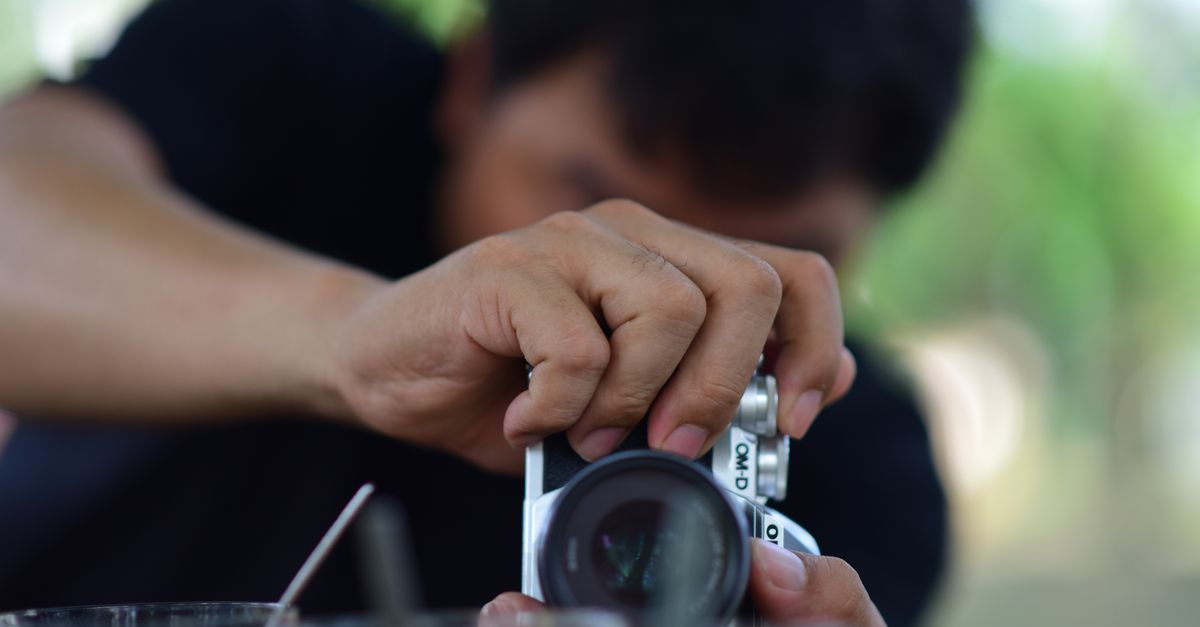
If you’re looking to capture your kids’ championship game or your dogs’ playful moments with crisp detail, you’ll want a photographer who delivers high‑resolution images that last. The right professional can turn fleeting action into lasting memories while ensuring every pixel is sharp and every color true.
Understanding High‑Resolution Images and Their Value
High‑resolution photography means capturing more detail than the average consumer camera, typically 20 MP or higher. For sports events where movement blurs easily, a high‑res sensor paired with fast lenses gives you clean frames even at the peak of action.
In sports photography, resolution matters because it allows you to crop without losing clarity—critical when framing individual athletes in a crowded field. In pet photography, a sharp image captures whiskers and eye sparkle that make each portrait unique.
Key Benefits of High‑Resolution Photography
- Greater detail for large prints or digital zoom.
- Flexibility in post‑processing—color grading, retouching, and cropping.
- Future‑proofing; images remain usable as display technology advances.
- Professional credibility; clients expect industry‑standard quality.
Beyond the obvious visual advantages, high‑resolution files provide a safeguard against future media formats. As screen resolutions climb—from 4K to 8K—and print sizes expand for wall art or banners, having ample pixel data ensures that your images stay sharp without artificial scaling artifacts.
Sports Photography: Capturing Movement with Clarity
The core challenge in sports photography is freezing motion while maintaining compositional balance. Fast shutter speeds, burst mode, and continuous autofocus are non‑negotiable tools. A 70 mm or 100 mm prime lens gives a natural perspective without distortion.
Lighting conditions vary: outdoor daylight can be harsh; indoor arenas often rely on artificial lighting that creates high contrast. Good photographers pre‑plan by reviewing venue lighting charts and testing exposure settings before the event.
Essential Considerations for Sports Photography
- Equipment: 24–70 mm zoom + 50 mm prime; fast autofocus; burst mode >10 fps.
- Lighting: Understand venue lighting, use fill flash where necessary.
- Positioning: Anticipate play patterns to place yourself ahead of action.
- Post‑processing: Sharpen selectively, adjust exposure, crop for focus.
- Legalities: Secure releases if images are intended for public use.
In addition to gear, managing data flow is critical. High‑resolution bursts generate large file sizes; a fast dual‑card system and a high‑speed card reader ensure that no frame is lost during the shoot. Photographers also monitor battery levels closely—sports sessions can last several hours under intense conditions.
Pet Photography: Showcasing Your Dogs' Personality
Unlike static portraiture, pet photography demands patience and a playful approach. Your dogs—Bella the Border Collie, Sky the Husky, and Snowball the poodle mix—are not strangers; they react to cues, light, and your presence.
A natural setting with diffused daylight often produces softer shadows that highlight fur texture. A handheld camera allows quick movement to capture spontaneous smiles or mischievous glances.
Top Tips for Pet Photography
- Timing: Shoot during their peak energy—morning or after a walk.
- Lighting: Use soft, indirect light; avoid harsh midday sun.
- Lenses: 35 mm to 50 mm primes capture close‑up detail without distortion.
- Props & Environment: Keep distractions minimal but offer a favorite toy or treat.
- Patience: Allow moments of stillness; shoot in bursts to catch the right expression.
A calm environment can be cultivated by bringing familiar items—such as a blanket with scent—or by speaking softly. Some photographers also use a high‑speed flash or LED panel set to low power to freeze action without startling the animal. When working with shy pets, a brief acclimation period before the shoot can dramatically improve results.
Choosing a Trusted Local Photographer: What to Look For
When scouting for a local professional, begin by reviewing their portfolio. High‑resolution images should be consistent across sports and pet work. Pay attention to lighting quality, composition, and post‑processing style.
Communication is equally important; ask about turnaround times, pricing structure, and whether they provide retouching services. A clear contract protects both parties and outlines usage rights.
Five Criteria for Selecting a Photographer
- Portfolio Depth: Variety of subjects—sports events, family portraits, pets.
- Technical Skill: Consistent focus, correct exposure, color accuracy.
- Experience with High‑Resolution: Demonstrated use of 20 MP+ equipment.
- Client Reviews: Testimonials on reliability and professionalism.
- Local Presence: Availability in your area for spontaneous shoots.
During a preliminary meeting, it can be helpful to request a sample of their recent RAW files. This gives you insight into how they handle exposure data and whether their workflow preserves the maximum amount of information for editing. Additionally, verify that they maintain up‑to‑date equipment—especially lenses with good edge performance—to avoid soft edges in wide‑angle shots.
Quality Photography Solutions: From Capture to Delivery
The journey from camera roll to finished product involves several stages. First, shoot in RAW format; this preserves maximum data for editing. Next, apply a color profile that matches the intended output medium—print or digital.
After initial processing—cropping, exposure correction, noise reduction—a final review ensures consistency across images. Delivery can be via high‑resolution JPEGs, TIFFs for print, or an online gallery with download links.
Four Steps to a Professional Workflow
- Capture in RAW: Retain maximum editing flexibility.
- Edit Consistently: Use presets tailored to sports and pet photography.
- Quality Check: Verify sharpness, color balance, and file integrity.
- Deliver Securely: Offer compressed JPEGs for quick sharing and high‑res files for print.
Many photographers now use calibrated monitors to ensure that the colors you see during editing match what will appear in final prints. They also adopt a logical file naming convention—e.g., “2026-05-12_TeamA_vs_TeamB_001” or “2026-03-08_Snowball_Portrait”—to keep images organized for future edits or re‑leases.
Cost and ROI: How Much Should You Expect to Spend?
Pricing varies by location, photographer experience, and scope. A typical sports event package might range from $500 to $1,200, depending on hours and number of athletes covered. Pet photography sessions usually fall between $150 and $300.
Investing in high‑resolution images pays off through longevity: you can upscale for large prints or embed in digital media without losing detail. Neglecting quality often results in costly re‑shoots or unusable files.
Common Mistakes That Inflate Photography Costs
- Unclear Scope: Not defining session length leads to overtime charges.
- Missing Releases: Legal issues can delay delivery and add fees.
- Over‑Editing: Excessive retouching may require additional passes.
- Lack of Backup: Losing files necessitates re‑shoots at extra cost.
Another frequent oversight is not negotiating the deliverables package. Some photographers bundle a set number of edited images, while others charge per image beyond that threshold. Clarifying what you receive—raw files, final JPEGs, prints—helps avoid surprise expenses later on.
My Personal Experience With Local Photographers in 2026
In my experience, I found that the best local photographers combine technical excellence with a genuine love for their subjects. When I hired a sports photographer to cover Ethan’s championship game, he arrived early, set up a portable lighting rig, and captured every decisive moment in 24‑MP detail. The final images were crisp enough for a large banner at our school gym.For pet photography, I booked a session during the family reunion. Snowball’s antics were captured perfectly because the photographer used natural light from the backyard window and shot in bursts to catch his playful expressions. The resulting portraits are now framed on our living room wall and serve as conversation starters for every guest.
Key takeaway: High‑resolution images deliver lasting value because they allow flexible use across media and long‑term storage without loss of detail.When the weather turned cloudy during a football game, the photographer immediately switched to his backup lenses and adjusted exposure settings, ensuring that no moment was missed. This adaptability is what separates a good photographer from an exceptional one—especially in unpredictable outdoor environments.
I’ve worked with several photographers, and the ones I recommend are those who understand both the technical demands of high‑resolution imaging and the storytelling aspects that make sports and pet photos memorable. Choose a local professional who can deliver quality photography solutions—whether you need a sports highlight reel or a family dog portrait—and watch your memories come to life.
Ask a practical question that invites useful discussion:What are the most common pitfalls you’ve seen when clients choose photographers for sports or pet photography, and how can they avoid them?