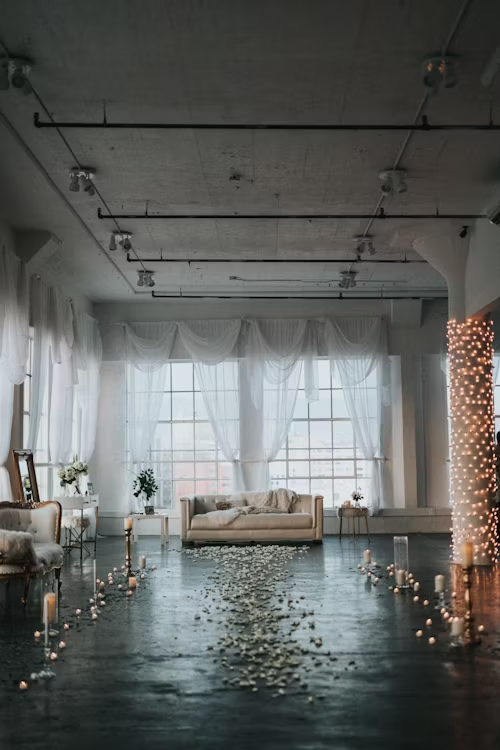
Exploring the Surge of Modern Photography Trends: Cinematic and Creative Photography

The evolution of photography in the digital era has been nothing short of revolutionary, with an array of new trends emerging that push the boundaries of how images capture and narrate our reality. Among these, cinematic and creative photography stand out as two of the most compelling and widely adopted approaches. These styles not only redefine traditional photography but also offer vast new vistas for expression and communication through visuals.
The Rise of Modern Photography Trends
The digital age has transformed photography from a mere method of preserving memories to an expansive form of artistic expression. Advanced technologies and the internet have democratized access to photographic tools and knowledge, paving the way for innovative styles and techniques. Today's photographers, whether amateur or professional, navigate a vibrant world of endless possibilities, experimenting with new techniques to tell stories in visually stunning ways.
What is Cinematic Photography?
Cinematic photography refers to a style that closely resembles the feel and look of film and movies. This genre of photography is characterized by its ability to convey stories, emotions, and atmospheres using compositions, color grading, and lighting techniques that you might typically see on the big screen. The essence of cinematic photography lies in its capability to transform mundane scenes into remarkable visual narratives that resonate with depth and drama.
Key Elements of Cinematic Photography
- Composition and Framing: Similar to film, the composition in cinematic photos often adheres to the rule of thirds to create a balanced image that captures the viewer’s interest.
- Lighting: Lighting plays a pivotal role in creating mood and atmosphere. Cinematic photographers typically use lighting to enhance the emotional impact and to guide the viewer’s attention through the scene.
- Color Grading: This involves altering the colors in an image to produce a specific mood or tone. Much like in movies, color can evoke emotions and set the period or the tempo of the visual narrative.
- Depth of Field: A shallow depth of field is often employed to focus attention on the subject while blurring the background, adding a layer of depth and dimension to the photo.
Examples of Cinematic Photography
Iconic examples of cinematic photography can be found in the works of photographers like Gregory Crewdson, whose staged photographs are highly cinematic in their narrative and visual approach, or Alex Webb, known for his vibrant street photography that frames human moments with movie-like quality. These photographers excel in transforming ordinary moments into scenes right out of a film, utilizing everything from urban landscapes to the subtle interplay of light and shadow.
Understanding Creative Photography
Creative photography, on the other hand, is an umbrella term that encompasses any photographic practice that goes beyond conventional boundaries. This genre is not defined by any specific style or technique but by the photographer's intent to experiment and explore unique perspectives or innovative techniques.
Techniques in Creative Photography
- Double Exposure: Combining two different images into one for poetic or narrative effects.
- Bokeh: Utilizing a fast lens, at the widest aperture, to create an aesthetic quality of the blur produced in the out-of-focus parts of an image.
- IR Photography: Using Infrared filters to transform landscapes into surreal scenes.
- High-Speed Photography: Capturing rapid events in motion, such as splashing water or breaking glass.
Impact of Creative Photography on Visual Culture
Creative photography challenges viewers' perceptions, encouraging them to engage with the image in a more dynamic way. It has the power to turn the familiar into the extraordinary, opening up new ways of seeing the world. The influence of creative photography is evident across various fields, from advertising and fashion to art photography and documentary, reflecting a shift towards more visually driven communication.
How to Embrace These Modern Photography Trends
To incorporate cinematic or creative photography into your own work, start by studying both the technical aspects and the works of those who excel in these styles. Practice by recreating the lighting or color grading of cinematic photos or by experimenting with the techniques used in creative photography. Online tutorials, workshops, and photography books can also provide valuable insights and inspiration.
Conclusion: The Future of Photography
As technologies continue to evolve, so too will the trends in photography. What remains constant, however, is the power of photography to tell stories and evoke emotions. Whether through the dramatic allure of cinematic photography or the boundary-pushing experiments of creative photography, these modern trends are set to shape the future of photography. By embracing these trends, photographers can not only enhance their skillset but also broaden their artistic horizons, contributing to the vibrant and ever-evolving tapestry of visual culture.
As we look forward to new advancements and trends, it becomes increasingly important for photographers to continue learning and adapting, ensuring that their art remains relevant and resonant in the fast-changing world of digital media and visual communication.